

The Petroleum Authority of Uganda (PAU) has completed a decade of transformation in the country’s oil and gas sector, awarding contracts to Ugandan companies and creating jobs for over 20,000 people, thereby increasing household incomes and supporting local economic growth.
Established in 2015, PAU is mandated to regulate the exploration, production, and utilization of Uganda’s petroleum resources.
Its achievements have been underpinned by institutional expansion and strong coordination with both local and international partners.
PAU’s mandate focuses on striking a balance between protecting national interests and maintaining investor confidence.
Over the past nine years, the authority has produced annual petroleum resource reports documenting shifts in reserves and production forecasts.
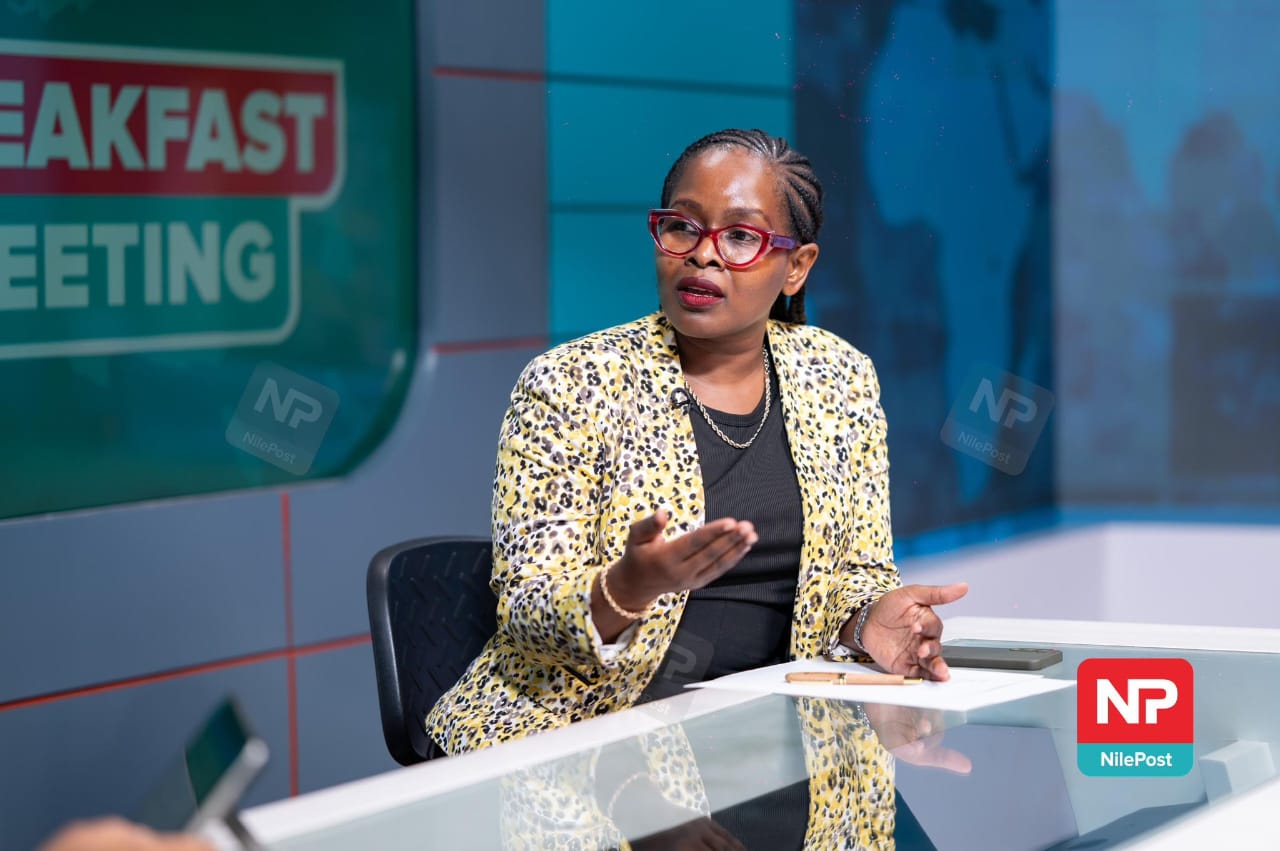
Speaking during a breakfast meeting on NBS TV, Gloria Ssebikari, PAU Corporate Affairs Manager, highlighted the authority’s key achievements and milestones over the past decade, noting how Uganda’s oil sector is transforming the country by building critical infrastructure while balancing development and environmental concerns.
“From a governance perspective, we have set up strong institutions and systems to ensure best practice. We have a board in place, our strategic direction is clear, and our goal is to create a sustainable petroleum industry even beyond our first oil,” Ssebikari said.
She added, “We have also made significant progress on the Tilenga and Kingfisher projects, which are nearing completion thanks to our oversight role and regulatory framework.”
Over the last ten years, PAU has implemented three strategic plans aligned with Uganda’s National Development Plans 2, 3, and 4.
The authority has developed more than 48 regulatory manuals and guidelines to strengthen operational compliance across the sector, providing clarity and predictability for investors.
The establishment of distinct institutions such as PAU and the Uganda National Oil Company was a deliberate choice informed by studies of both successful and struggling oil-producing countries.
Ssebikari noted that countries that failed often lacked strong, independent regulatory bodies, while those that succeeded invested early in separating policy, regulation, and commercial operations.
